Econet InfraCo, the infrastructure arm of Econet Wireless Zimbabwe, has been quietly providing free solar power to some rural clinics and hospitals around the country.
This is a groundbreaking initiative that is improving healthcare delivery in underserved rural communities which began last year. It targets rural clinics and hospitals located within five kilometres of an Econet base station, and connects them to the base station’s solar power system, at no cost to the health facility.
The initiative forms part of the company’s community outreach mandate as Econet InfraCo transitions into a full standalone infrastructure company.
To date, a number of clinics have already been connected, with Econet working in partnership with Higher Life Foundation (HLF), prioritizing facilities where power and connectivity needs are most pressing.
Access to reliable electricity remains one of the biggest challenges facing rural health institutions. This affects vaccine storage, emergency medical procedures, maternal health services and overall patient care. Econet InfraCo’s intervention is expected to significantly enhance healthcare outcomes in remote rural areas.
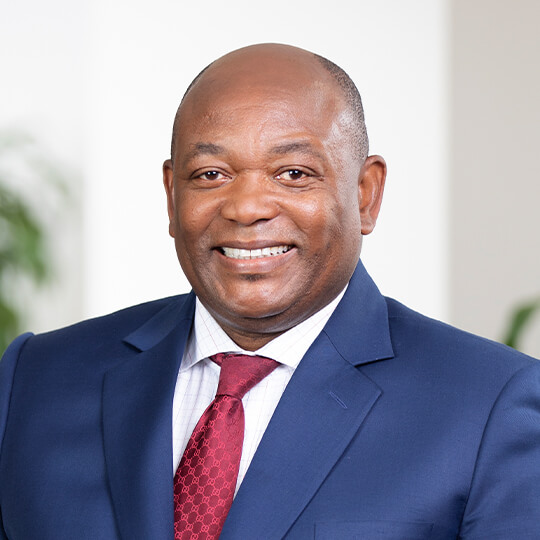
Econet Wireless Zimbabwe’s Group Chief Executive Officer, Dr Douglas Mboweni, said the initiative reflects a long-standing philosophy championed by Econet founder and Group Chairman, Mr Strive Masiyiwa, that companies ought to play an active role in national development.
“Each of our companies is required by our founder to have its own social impact and philanthropic initiative,” said Dr Mboweni.
“Econet Wireless supports education through Higher Life Foundation’s Capernaum Scholarship programme which, over the last 30 years, has sent more than 400 000 children from disadvantaged backgrounds to school. Liquid Intelligent Technologies Zimbabwe provides free Internet access to universities, and Econet InfraCo has been stepping up to power critical rural services,” Dr Mboweni said.
He stated that integrating social impact into business operations ensures that development initiatives are sustainable and impactful.
He said Econet InfraCo is exploring other community infrastructure projects, including the construction of small footbridges over dangerous rivers in remote areas, adding that the company last year submitted a proposal to Government seeking permission to proceed with the initiative.
“We have the capability to put up small bridges to help women and children cross rivers safely. Our engineers can put them up while attending to base stations. We hope that we will receive the go-ahead to proceed with the programme,” Dr Mboweni said, adding that such bridges would improve access to schools, clinics and markets, particularly during the rainy season when rivers often cut off access to basic facilities for rural communities.
Dr Mboweni said Econet’s approach demonstrates how private sector players can contribute to national development beyond commercial objectives.
“When companies are given a social mission by their leadership, it provides a sense of purpose beyond making money. This has always been at the heart of businesses founded by Mr Masiyiwa across Africa,” he said.
He cited Econet’s collaboration with the royal family in Lesotho to support education and health services, as well as Liquid Intelligent Technologies’ provision of free Internet to educational institutions across Africa.
Unlike traditional corporate social responsibility initiatives that rely on ad hoc donations, Econet’s programmes are embedded into annual budgets and operational structures designed to have real social impact.
“We cannot do everything all at once or reach all the places we want at the same time, but we set aside money every year as part of our social impact budget and we have full-time staff working on these initiatives. Our commitment goes well beyond one-off donations,” Dr Mboweni said.